
Overview
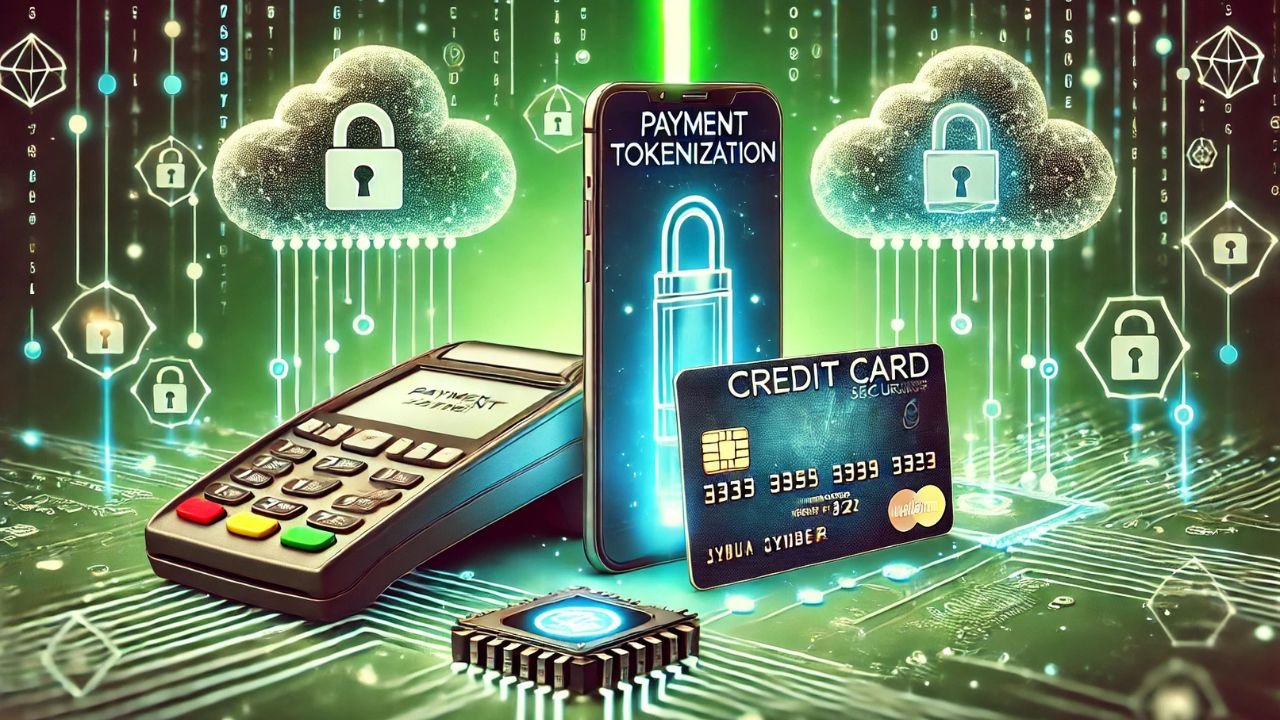
Digital payments have made our lives easier with greater financial inclusion but the lack of awareness and massive surge in online payments has made it vulnerable to financial frauds and data breaches.
In 2024, digital payments including card transactions accounted a 10.4% of the total fraud reported in the fiscal year. This urges the growing need for secure payment transactions and awareness to combat online payment fraud.
But what if there is a cheap solution that can secure trillions of dollars of online payments using blockchain-based technical innovation, called tokenization?
Tokenization of real-world assets is a broader term that transcends to a wide array of assets including in-app digital payments, online payments, or credit and debit card payments.
Asset tokenization is not a new concept. We have heard about real-estate tokenization or commodities tokenization, but what is payment tokenization and how does it work?
This article is an ultimate guide to payment tokenization. Join us and get hands-on experience exploring the game-changing technology of tokenization in payments.
What is Payment Tokenization?
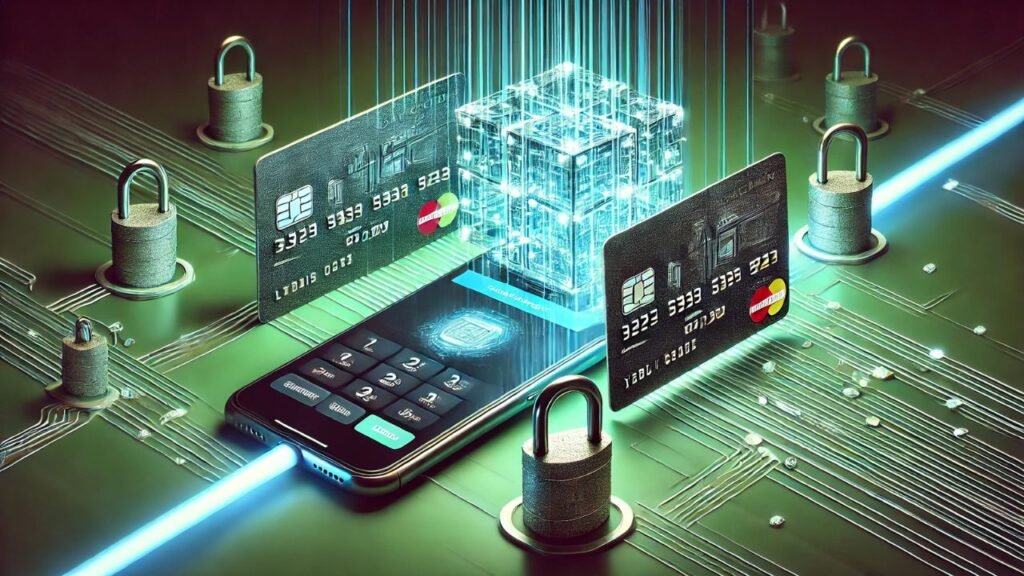
The word “tokenization” or “tokenize” means to securely replace sensitive information or data with a unique identifier which is a randomly generated string of characters or symbols, known as a token.
In payment tokenization, this randomly created identifier or unique token replaces the 16-digit primary account number or PAN number of the cardholder. It breaks the connection between the online transaction and the credit card’s sensitive data protecting it from online breaches.
Imagine this – you are playing in a casino. In a casino, you use plastic chips or tokens instead of using real money. Similarly, in tokenization, digital tokens replace the sensitive data and personal details of your card, keeping it safe from digital fraud.
Tokenized payments enable easier and more reliable transactions using secure payment methods, e-wallets, and virtual cards.
How does Payment Tokenization Actually Work?
Step-by-step process of payment tokenization:
Step 1
The customer swipes the card in a POS (point of sale) machine. A POS machine can be either cloud-based (software) or a credit card reader (hardware) that acquires the details of the credit. After the card is swiped, the payment gateway sends a request is generated where the tokenization platform is asked to convert and tokenize the PAN into a token.
Step 2
The PAN number consists of 12 digits which is then replaced by a digital token. This token is generated in real time. The token is then stored in a secure vault where the digital mapping of the token is kept. The merchant retains the token reference.
Step 3
A verification request is sent to the customer’s bank to authorize the payment. During this process, the original data is kept confidential.
Step 4
After the bank confirms, the payment is completed.
Step 5
After the completion of the transaction, the token is sent back to the merchant who can reuse it for refund purposes or for future transactions.
Can Payment Tokens be Used Multiple Times?
Yes, payment tokens can be used several times depending on their type.
A single-use token becomes invalid after the particular transaction is complete.
A multi-use token identifies customer’s data without infiltrating the original data and can be used for future transactions.
Is Payment Tokenization and Encryption the Same?
Both encryption and payment tokenization are technologies that are devised to protect consumer data from credit card fraudulent activities, however, they are not the same.
Encryption uses a sophisticated algorithm and converts the sensitive data into an unreadable format. This encryption can be deciphered or reversed to its original state using a passkey or a password.
In payment tokenization, the sensitive data of the card is replaced by a randomly generated meaningless token value. A digital token cannot be reversed or reinstated to its original value or form. So, even though a hacker gains access to the digital tokens, he cannot intercept the real data.
The main difference between encryption and tokenization of payments is that encryption is restorable or reversible to its original value. If hackers get access to the encryption password, they can easily decrypt the sensitive data of the card. In this scenario, payment tokenization seems a safer option than encryption.
How does Payment Tokenization Maintain PCI DSS Compliance?
A PCI DSS (Payment Card Industry Data Security Standard) compliance is a set of global security protocols that all companies and businesses processing or storing consumers’ credit card details must ensure to safeguard consumer data. A PCI DSS has 12 mandatory requirements. Failure to adhere to such requirements can lead to fines and businesses may lose their reputation and credibility.
Payment tokenization leaves minimum to no data footprints and it is easier for merchants to maintain PCI DSS compliance. Since tokens retain no real data, they are secure and mitigate the risks of data theft and infiltration. It also improves user experiences and cuts the overall operational costs for merchants.
What are the Benefits of Payment Tokenization?
The benefits of payment tokenization are manyfold.
Enhances security & reduces fraud
The main aim of tokenizing payments is to secure transactions and provide convenience to customers as well as merchants. This is especially crucial for retail businesses where merchants have to handle large volumes of transactions and ensure a safe payment environment for customers. Tokens replace the sensitive data of the customer and protect it from online theft and scams. Merchants are also relieved as they are often vulnerable to fraudulent attacks.
One or zero-click payments
Payment tokenization is performed by a third-party tokenization service provider that adds convenience to the process. One or zero-click payments enhance user experience without the need for manually entering the details. Payments are frictionless, simplify transactions, enhance speed, and improve checkout conversions for completed transactions.
Improves efficiency and cash flow
Tokenization streamlines transactions, verifies authenticity instantly, and completes the payments giving easy and quicker access to cash. It improves efficiency as payments can be processed readily once the customer initiates the transaction.
Lesser chargebacks and penalties
Tokenization reduces the chances of payment fraud and manipulation of data that could lead to chargebacks and significant penalties for merchants. Even if a fraudster hacks the token, he will get access to a random string of meaningless data and cannot breach the card details or user information.
Minimizes false declines
False declines are a part of online payments. They can be frustrating for customers and can lead to loss of funds. Merchants may face bad reviews. Payment tokenization verifies and only processes legitimate transactions, distinguishing them from unsafe transactions. This saves time and credibility for the merchants.
In Conclusion –Simplifying Online Transactions with Tokenization
Payment tokenization leverages blockchain technology and streamlines cross-border and efficient transactions. It enhances security for financial transactions, prevents double-spending, and protects customer data from pesky hackers. Faster and instant settlements also improve liquidity.
Tokenizing payments ensures merchants achieve PCI DSS compliance and fosters trust and improved user experience for customers. With the rising concern for online payment fraud and data breaches, payment tokenization is a ray of hope for businesses and merchants to ensure a safer and better transaction environment for customers.