
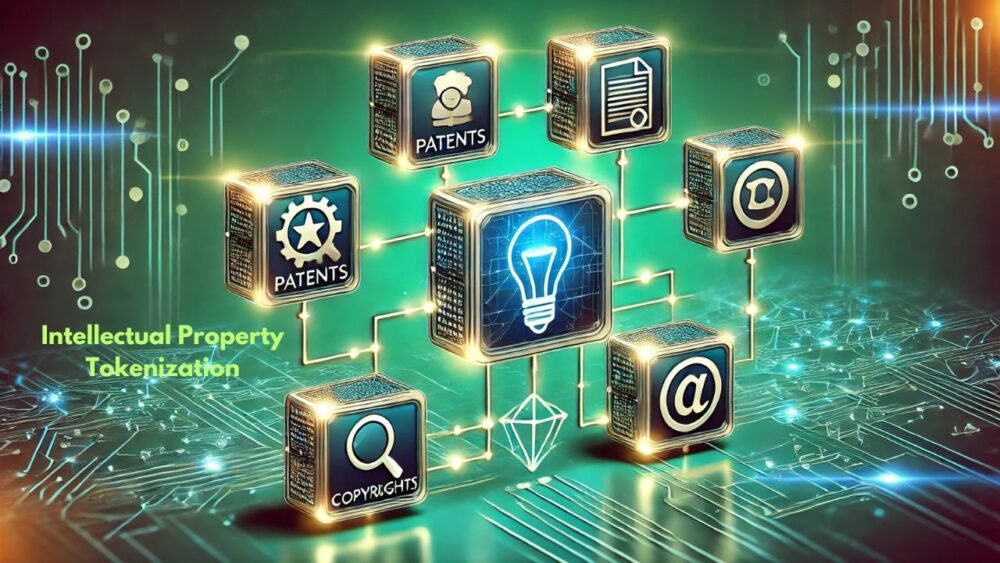
Overview
Intellectual property, abbreviated as IP, are intangible assets that represent creative masterpieces, human intellect, literary works, designs, symbols, software, and other inventions, used in business or commerce.
But how does one protect and trade assets that do not have a physical form such as human intellect?
Intellectual property rights or IPRs are legal rights that shield the distinct work of creative minds like patents, trademarks, and copyrights. However, it is not easy to trade IPRs. Intangible assets involve a lot of legal formalities. Their valuation may also change depending on competitive market factors and brand reputation. The ownership rights are complicated, it is difficult to enforce legal rights, and there are considerable litigation and infringement risks.
Since the inception of tokenization, there has been a dramatic transformation in the decentralized financial landscape. One such trend recently garnered much attention, is the tokenization of intellectual property, redefining the way traditional IPs are traded. It democratizes access to high-value IP assets, making investments safe and inclusive for everyday investors.
In this article, we delve into the different aspects of IP tokenization and discover its key benefits.
Understanding Intellectual Property – Definition & Types
An intellectual property (IP) is neither a physical property like gold nor a financial asset like stocks or bonds. IPs do not have a physical embodiment. Though these assets cannot be physically felt or touched, they have high economic value in the modern world due to their creativity, innovation, knowledge, and human intelligence.
Types of Intellectual Properties that can be Tokenized:
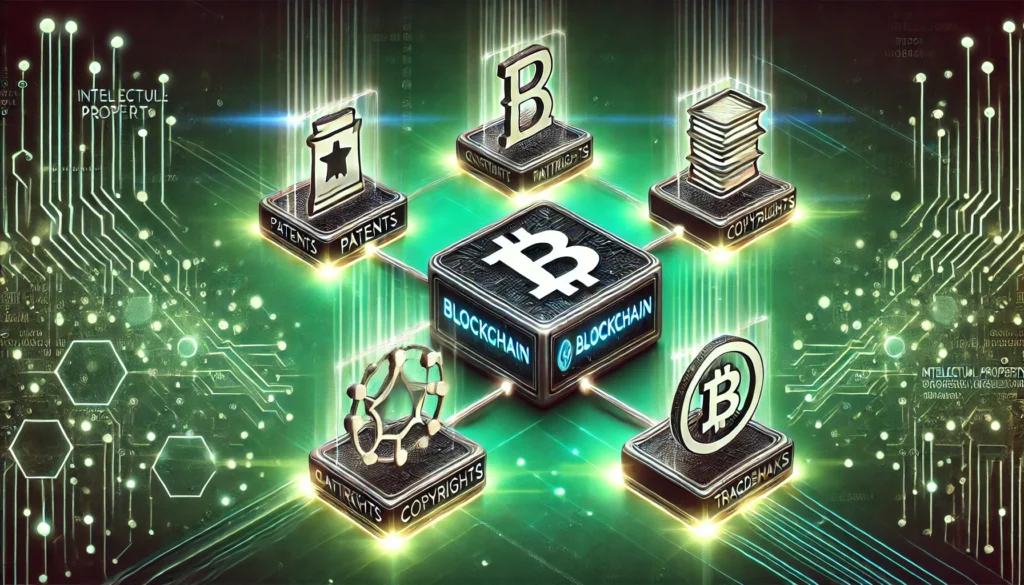
Patents
These are property rights granted by the government for original inventions. These are exclusive rights for the invention. They are granted for a new design or software, a physical product, technology, etc.
Copyrights
These rights are owned by musicians, creators, and authors, for their original work or creativity. Musicians and book authors earn exclusive rights to protect their creativity from duplication or infringement. Copyrights also grant authorization to original creators who can allow others to use their creativity through licensing agreements.
Trademarks
They represent a logo, a symbol, or a phrase that distinguishes a company, a service, or a product from others. It is related to a particular brand. It is exclusively owned by an individual or a company and cannot be used by others.
Trade secrets
They are the proprietary information of a company, like a formula or a secret recipe. Trade secrets give a company a competitive advantage in the market.
How Does the Tokenization of IP Assets Actually Work?
Tokenization is a technology that transforms real-world assets (RWAs) into digital tokens on-chain. These tokens have unique properties as they represent ownership rights, transaction details, voting rights, and legal formalities that govern the transactions.
IPs are generally illiquid and are difficult to trade. Tokenizing intellectual property has gained significant momentum in recent years because it has generated liquidity in the market and made it easier to invest and trade in the digital space.
Understanding the process of tokenization:
Tokenization takes place in blockchain-based tokenization platforms. The process involves the following stages:
Evaluating asset value
The asset owner must evaluate the value of the IP asset, such as the patent or copyright depending on its feasibility and market value. After valuation, the next thing is to decide the number of digital tokens to be generated.
Fractionalization of assets
The next step is the division of assets into digital tokens. Each token represents a fraction of the intellectual property. The digital tokens define the formalities related to the tokenization process such as fractional ownership, legal rights, profit or loss associated with the asset, tax implications, token functionalities, etc.
Deploying smart contracts
These contracts are automated agreements that govern the tokenization process, ownership rights, distribution of dividends, and other associated functions. They enforce the legal formalities and automatically execute the tokenization process.
Issue, distribution, and token trading
After the tokens are generated, they are distributed among potential investors and buyers through security token offerings (STOs) or initial coin offerings (IPOs). After the primary offering, the digital tokens are traded in decentralized blockchain platforms like secondary markets. Token sales in decentralized trading platforms offer instant settlements and easy monetization of IP assets and generate liquidity in the market.
During tokenization, blockchain divides the IP assets into smaller fractions. These fractions can be easily traded and are stored as digital tokens in the blockchain network. Intellectual property tokenization creates greater transparency and makes the market more accessible for trading IP assets.
Imagine a big-budget music production house is gearing up to launch its latest music album, but the production costs and music distribution expenses are way out of hand. Tokenizing music property rights opens new avenues and could generate potential profits within a short time. Instead of only targeting the wealthy or an elite category of customers, anyone who has the resources can invest and co-own fractional shares or a piece of the music album. Sounds interesting, right?
Benefits of Intellectual Property Tokenization
IP trading made easy
Traditional IP asset trading involves bureaucratic hurdles, added layers of regulatory approvals, and legal stipulations that complicate the trade and make it time-consuming. Tokenization removes these barriers and streamlines and makes IP asset trading more efficient.
Democratizes asset investments
IP tokenization breaks down the conventional hurdles of high investments and makes them more inclusive for everyday investors. The fractionalization of assets into affordable tokens attracts a wide array of smaller investors who could invest and earn ownership of these high-value assets. IP assets that were previously only exclusive for wealthy investors and larger corporations are now available for everyone to invest in. Tokenizing IP assets lowers the entry barriers, promotes inclusivity, and generates an equitable distribution of asset wealth.
Blockchain ensures transparent transactions
Blockchain underpins the IP asset tokenization process. All transactions are securely recorded on blockchain ledgers. Once recorded, these transactions cannot be reversed or changed. Blockchain’s multiple layers of protection secure asset transactions and the confidential information of stakeholders. Smart contracts prevent third-party infringement and protect the stakeholders’ interests.
Enhanced security
Blockchain allows on-chain fractional ownership that can be easily traced and viewed by stakeholders. It reduces complications, disputes, and legal complexities. Investors can verify transaction histories at any time which fosters integrity and trust in the community.
Reduced administrative costs
Smart contracts automatize the IP tokenization process. All transactions take place in blockchain’s decentralized platforms which eliminates the need for manual interventions. Asset owners and other stakeholders can concentrate on the core activities, and strategic expansion, instead of focusing on the complex process of tokenization. It also streamlines the processing of licensing agreements and ensures fair distribution of royalties among stakeholders.
Challenges of Tokenizing IP Assets
Tokenizing intellectual properties presents certain challenges. The regulatory framework and international laws surrounding IP tokenization are complex and create uncertainty for tokenization, which is still in its early days.
Tokenized intellectual property assets like any other digital asset are subject to possible security issues and data leaks. A loss or theft of private keys could lead to losing ownership of tokens.
Adhering to a standard and relevant jurisdiction is important for the tokenization of IP assets. Developing robust multi-layer security features to protect the technology can drive growth and innovation.
Future Outlook of Tokenized IP Assets
The future of tokenized IP assets looks bright but the industry is still young and growing. Mainstream adoption of the technology requires investors to understand the ins and outs of the complexities and its potential benefits.
Intellectual property tokenization benefits industries, artists, and creators, and also creates an inclusive environment for average investors. Creative minds and artists can easily tokenize and monetize their work with limited obstacles allowing investors to explore an exciting new world of asset investment.