
Overview
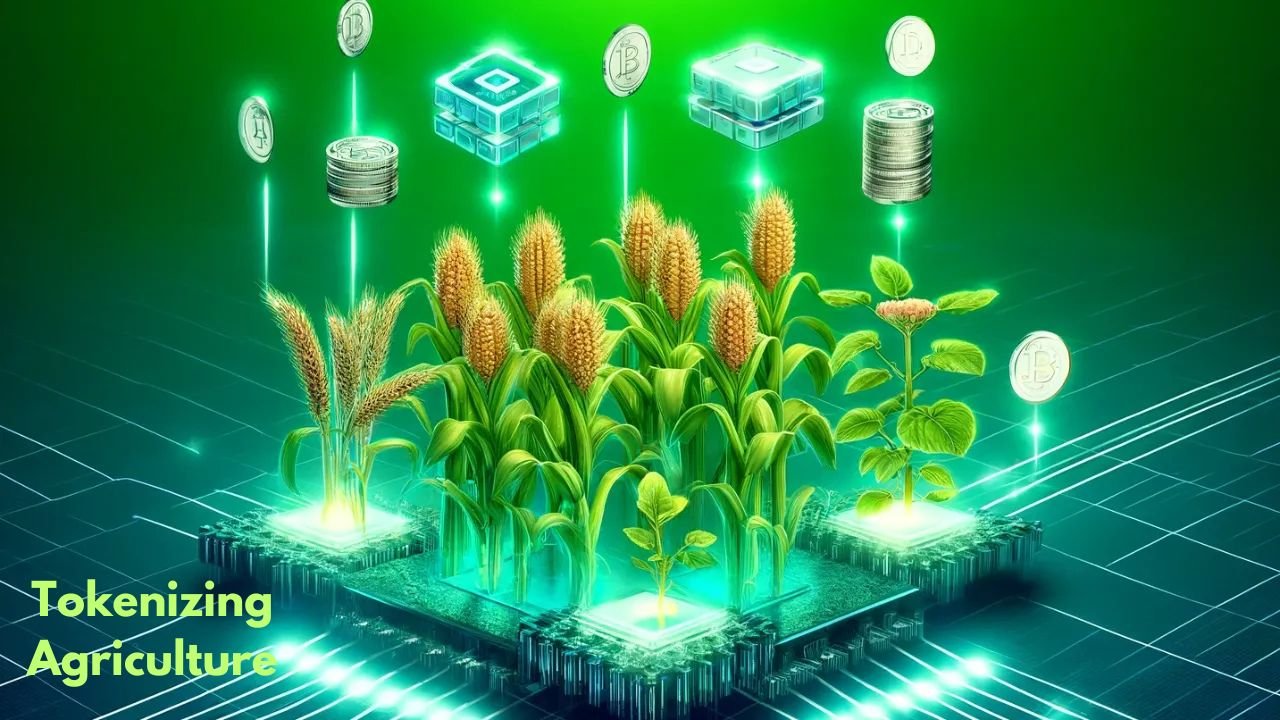
Imagine a world, where farmers could transform every acre of their lands and every grain of crops into digital currencies with just a simple tap on their smartphones. That is the profound impact of tokenization!
The tokenization of agricultural assets employs blockchain technology, expands financial possibilities for small-time farmers, and offers cross-border global platforms for large-scale trading.
The agricultural sector is a multi-trillion-dollar industry, with a market size estimated to reach $14.4 trillion by 2024. The WTO (World Trade Organization) report for 2023 says that about 2.32 trillion dollars of agricultural products had the potential to be tokenized.
RWA (real-world asset) tokenization could transform agricultural trading and open doors to new funding solutions, simplify transactions, and create an infrastructure for frictionless trading for agricultural producers and agribusinesses.
In this blog, we unlock the emerging trend of agricultural assets tokenization and how it can revolutionize the industry.
Tokenizing Agricultural Assets – A Digital Revolution
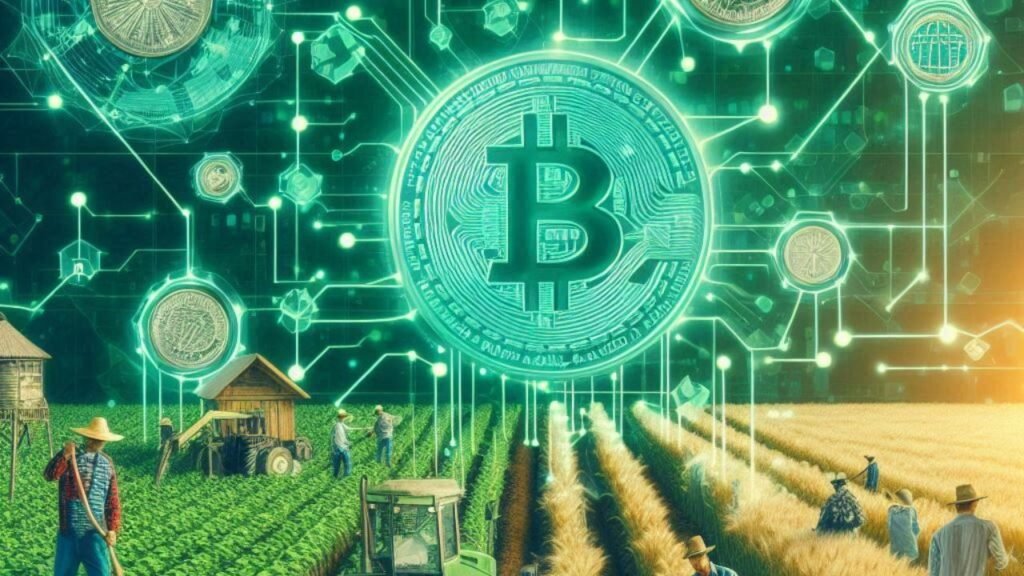
Agricultural trading has room for tremendous growth, but the industry is troubled by slow settlements and high costs due to bureaucracy and intermediaries, supply-chain problems, and extreme weather conditions like drought, wildfires, or floods that can damage agricultural lands and produce.
Asset tokenization democratizes sustainable investment opportunities for farmers and agribusinesses through secure digital trading and global collaboration with investors. It converts agricultural commodities like wheat or corn into virtual assets that can be easily traded and traced on blockchain networks.
Tokenizing agricultural assets empowers small-holder farmers to trade their produce directly through P2P (peer-to-peer) networks without intermediaries.
How does blockchain tokenize agricultural assets?
Blockchain technology traces the origin and verifies the entire journey of farming from the plantation, seed quality, water sources, sustainability practices, fertilizer quality, environmental impact, etc. Based on the sustainability metrics and quality of the agricultural produce, the prices are set.
Agricultural assets such as physical crops or livestock are converted into digital tokens on blockchain-based tokenization platforms. Each token identifies a fractional share or ownership right of the original asset. Tokenization induces fractionalization of the agricultural commodity and fosters easy trade in decentralized tokenization platforms.
Here is how agricultural tokenization takes place:
- The blockchain tokenization platform evaluates the value and commercial prospects of the agricultural asset and determines if the asset is feasible for tokenization.
- After asset valuation, tokens are “minted” or new tokens are created. This is the stage when the physical asset (collateral) is digitized or split into digital tokens. The total number of tokens that are minted is decided, e.g., it can be 1000 tokens for a bag of freshly produced rice.
- Smart contracts further verify the authentication of digital documents and the credibility of token issuers and investors. These contracts define and enforce pre-determined codes for token issuance, distribution, ownership transfer, quality of produce, and payments.
- Blockchain and smart contracts ensure that all transactions are automated without any human interference.
- During the primary or initial token offering, the farmers issue tokens for crops yet to be harvested. Investors or buyers who purchase the tokens, get ownership rights once the crops are harvested.
- In secondary market trading, the tokens are traded in frictionless decentralized and offer easy liquidity for stakeholders.
- At the end of tokenization, smart contracts ensure fair distribution of capital and credits among stakeholders, meeting the guidelines of the agreement.
How does Agricultural Tokenization Benefit Agribusinesses, Investors, Consumers, and Farmers?
There are numerous benefits of agricultural tokenization. Let us explore some.
Democratizes agricultural investments
Asset fractionalization facilitates modern economies where farming lands or produce are divided into smaller digital fractions. These fractions are affordable and can be purchased by small-scale farmers and investors who do not have the means to buy a big plot of fertile agricultural land. Tokenization allows land owners or businesses to monetize their assets and raise funds easily, without the need for costly infrastructure or middlemen.
Fostering sustainability and quality
Farmers and businesses who engage in sustainable practices and environmental-friendly farming earn incentives and certifications. Blockchain further verifies the quality of the produce and encourages farmers to adopt ethical means of farming. Maintaining sustainability metrics and improved quality boosts consumer confidence and enhances the overall sale of agricultural products.
Reducing financial barriers
The agricultural commodity sector is somewhat illiquid. Prices are volatile and subject to climatic changes. Farmers rely on middlemen, high-maintenance warehouses, and transportation to access larger markets. All these factors impact the price of agricultural products, and farmers and consumers have to bear the additional costs. Blockchain removes middlemen and offers an open global platform where farmers and buyers can directly interact and trade.
Improved liquidity
Earlier, farmers depended on high-interest loans to buy farming resources and seeds. They hardly had any capital to invest. Tokenization has transformed the scenario. Through “fractional ownership,” smaller farmers can easily invest in or purchase high-yielding lands. They do not need to go through the time-consuming and lengthy traditional banking processes. Traditionally illiquid agricultural assets can be easily traded on blockchain platforms without huge capital investments which promotes liquidity in the market.
Blockchain enhances transparency
In traditional agricultural trading, it is difficult to trace supply-chain data, storage, planting, and shipping of agricultural products. Blockchain ledgers are immutable and keep track of all transactions in real-time. They verify the quality and confirm that ethical norms are maintained. Consumers get better products. Blockchain enhances accountability and combats fraudulent activities in transactions.
Empowering small-scale farmers
Smaller farmers and average people do not have access to traditional markets. Tokenization allows near-instant settlements without the need for intermediaries or manual intervention. Farmers need not go to the physical market to purchase a piece of land. Fractional ownership widens investments for smaller investors and makes agricultural trading accessible for everyone.
Overcoming Challenges of Agricultural Tokenization
Agricultural tokenization looks promising but has its own set of challenges. Tokenization is still a new concept and requires digital literacy. A major section of farmers living in remote and underdeveloped parts of the globe do not have access to primary education or smartphones. They lack the technical know-how and are skeptical about this new technology or digitization. Education and government initiatives could help people understand the benefits and technical aspects of tokenization and promote wider acceptance.

Tokenized assets like cryptocurrencies are speculative and subject to market changes. Farmers and small-time investors may fall victim to price rigging. It is important to generate trust and transparency in a highly volatile and fluctuating market.
Regulatory uncertainty is one of the major challenges that the tokenization market faces today. It can create jurisdictional complexities and uncertainty among market players. It is important to understand and implement the regulatory requirements under different jurisdictions.
To overcome these challenges, regulatory clarifications and education are needed. Technologists and governmental organizations should collaborate with small-time farmers and investors and provide the knowledge and means to navigate the tokenization market confidently.
Final Words
As the market for agricultural assets tokenization accelerates, it will steer a new era of digital investments empowering small-scale farmers to leverage the benefits of the digital economy. Smaller farmers will gain inclusivity in global investments. The RWA tokenization landscape is evolving and will definitely promote a new era of green assets or sustainable farming and improved productivity and quality benefiting both producers and consumers.